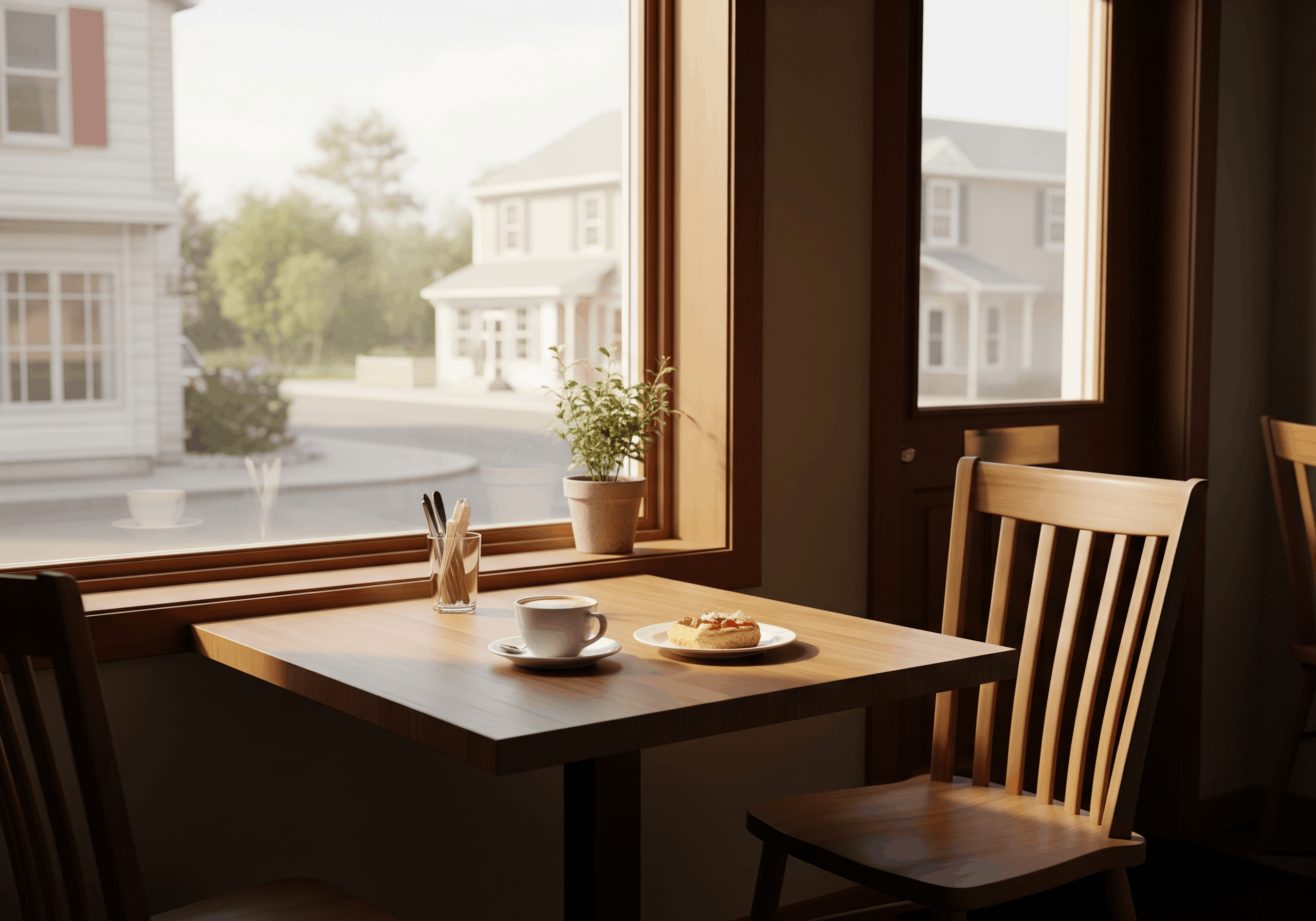
If you’ve ever stepped into a neighborhood café and immediately felt at ease, you’ve probably experienced firsthand why small town cafes feel different from big city restaurants.
It’s not just about size. It’s not just about pace. It’s something deeper—an atmosphere shaped by familiarity, routine, and community connection.
While big city restaurants often prioritize speed and scale, small town cafés tend to focus on relationships and rhythm. Let’s explore why small town cafes feel different and what makes that difference meaningful.
Jump to:
TLDR – Quick Guide
- Why small town cafes feel different comes down to atmosphere and connection.
- Service tends to feel more personal and less transactional.
- The pace is slower and more relaxed.
- Menus often reflect community preferences.
- Regular customers shape the culture of the café.
The Pace Is Noticeably Slower
One of the first reasons why small town cafes feel different is the pace.
In large cities, restaurants often operate with:
- Tight table turnover
- High foot traffic
- Fast ordering systems
- Constant movement
Small town cafés usually move at a steadier rhythm. Guests linger longer. Conversations stretch. Coffee refills aren’t rushed.
That slower tempo changes the entire dining experience.
Familiar Faces Make a Difference
Another reason why small town cafes feel different is familiarity.
In smaller communities:
- Staff recognize regulars
- Customers greet each other
- Conversations continue from week to week
Dining feels less anonymous. You’re not just a table number. You’re part of the room.
At places like Corie’s Cafe in Duvall, this sense of familiarity often becomes part of the brand identity. Guests return not only for food, but for the atmosphere shaped by regulars and staff alike.
Menus Reflect Community Taste
Big city restaurants often chase trends. Small town cafés often prioritize comfort and consistency.
That’s another reason why small town cafes feel different.
Menus in smaller communities tend to focus on:
- Familiar breakfast classics
- Comfort-driven meals
- Reliable quality
- Seasonal additions without constant reinvention
Rather than constantly changing concepts, the emphasis is on getting staple dishes right.
If you review a typical breakfast and lunch menu at a small town café, you’ll often notice that balance—classic options alongside a few distinctive house specialties.
Service Feels Less Transactional
In larger cities, restaurant service can feel efficient but impersonal. That efficiency is necessary due to volume.
In contrast, one of the core reasons why small town cafes feel different is the service style.
Service in small town cafés often includes:
- Genuine conversation
- Patience during ordering
- Staff who remember preferences
- A more relaxed check-in rhythm
It doesn’t feel rushed. It feels human.
Community Identity Shapes the Space
Small town cafés often serve as unofficial community hubs.
They host:
- Morning coffee meetups
- Casual business discussions
- Weekend family breakfasts
- Informal gatherings
Because of this, the atmosphere feels layered with local identity.
That sense of shared space is a major reason why small town cafes feel different from big city restaurants, where customers may be constantly rotating in and out without connection.
The Environment Encourages Lingering
In many cities, high rent and heavy traffic require faster turnover.
In small towns:
- Seating feels more relaxed
- Noise levels are manageable
- Guests don’t feel pressured to leave quickly
You’re encouraged to finish your coffee slowly. To order another round. To stay a little longer.
That permission to linger changes how meals feel.
It’s About Experience, Not Just Efficiency
Big city restaurants excel at efficiency. Small town cafés excel at experience.
Why small town cafes feel different often comes down to this contrast:
City restaurant mindset:
- Speed
- Scale
- Trend-driven
Small town café mindset:
- Consistency
- Comfort
- Community
Neither is inherently better. They simply serve different needs.
Why This Difference Matters
Understanding why small town cafes feel different helps explain why so many people seek them out.
The difference creates:
- Emotional comfort
- Familiarity
- A sense of belonging
- Predictability
It turns breakfast or lunch into more than a meal—it becomes part of routine and identity.
Key Takeaways
- Why small town cafes feel different comes down to pace, familiarity, and atmosphere.
- Service tends to feel more personal and less rushed.
- Menus emphasize comfort and community taste.
- Guests are encouraged to linger rather than rotate quickly.
- Small town cafés often function as community gathering spaces.
FAQs
Why small town cafes feel different compared to city restaurants?
Small town cafes often operate at a slower pace and prioritize relationships. Service feels more personal and less transactional. The atmosphere tends to reflect community identity rather than fast turnover.
Are small town cafes less professional than city restaurants?
Not necessarily. They may feel more relaxed, but that doesn’t mean standards are lower. The difference usually lies in pace and atmosphere rather than quality.
Do small town cafes have smaller menus?
Sometimes they do, but that can be intentional. Smaller menus often allow for consistency and quality control. Many focus on core favorites that customers return for regularly.
Why do people feel more comfortable in small town cafes?
Familiar faces and slower service create a welcoming environment. Guests are often recognized and remembered. That familiarity builds comfort over time.
Are small town cafes better for families?
They can be, especially if the atmosphere is relaxed. Slower pacing makes it easier for families to dine comfortably. Many small town cafés naturally cater to multi-generational groups.